Introduction to Roasted Spring Vegetables
The joy of homemade cooking
There’s something incredibly rewarding about cooking at home, particularly when the season changes and offers a new bounty of fresh ingredients. The crisp air and vibrant colors of spring make it the perfect time to explore homemade meals that showcase the season’s finest produce. If you’ve never tried roasting spring vegetables, you’re in for a treat!
Homemade cooking not only allows you to control the ingredients but also lets you customize flavors to suit your palate. Plus, when you fill your kitchen with aromas from roasting, it turns your cooking space into a cozy sanctuary. According to the American Institute for Cancer Research, cooking at home can lead to healthier eating habits. So why not embrace the season and get creative with roasted spring vegetables?
Why roasted spring vegetables are a great choice
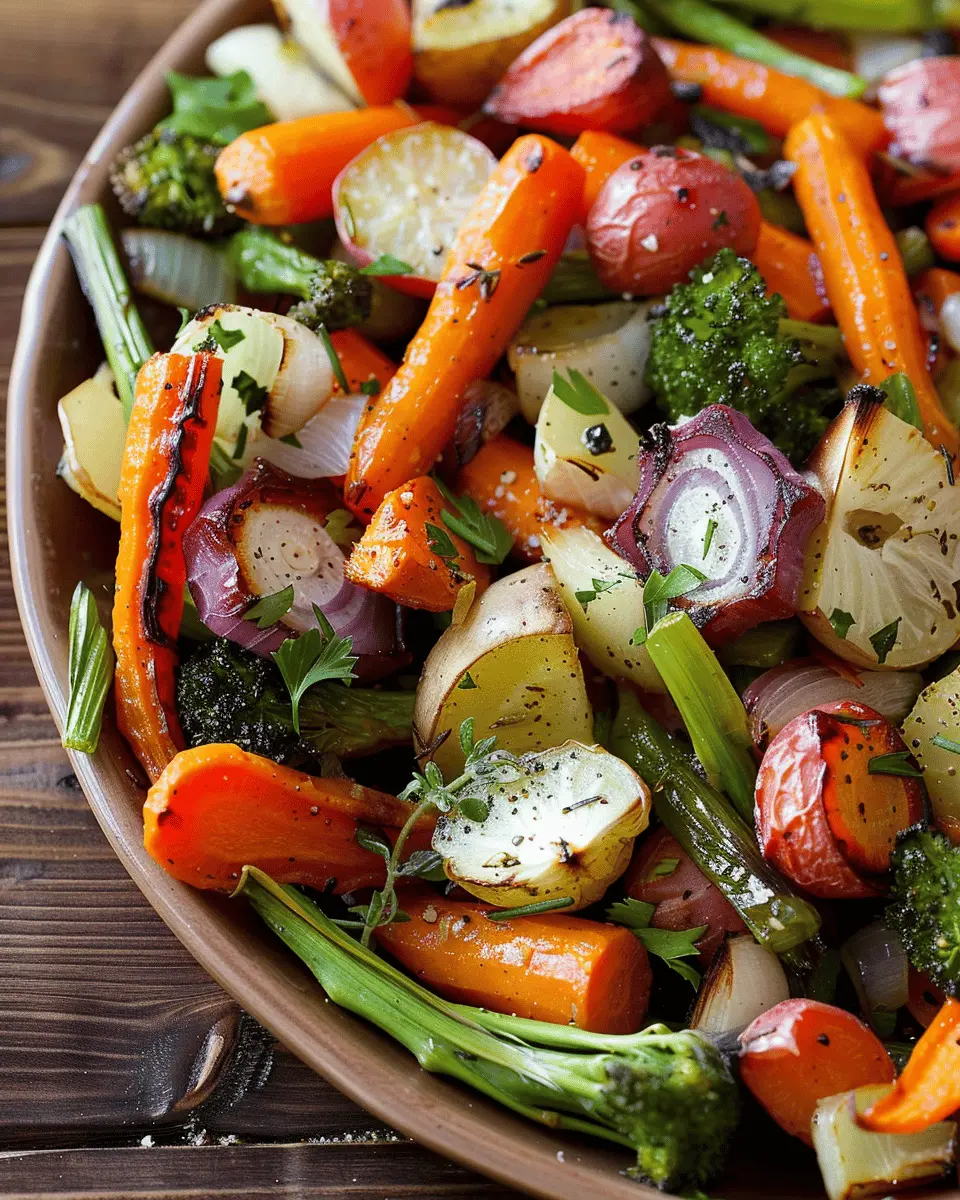
Roasting is not just a cooking method; it’s a transformative experience. When you roast vegetables, they caramelize, bringing out rich flavors and a delightful texture that is hard to resist. Think of tender asparagus, sweet carrots, and earthy radishes, all lovingly roasted to highlight their natural sweetness. The best part? Roasted vegetables are incredibly versatile and can complement nearly any dish.
Here are some reasons to embrace roasted spring vegetables:
- Nutrient-retention: Roasting helps maintain vitamins and minerals while enhancing taste.
- Perfect for meal prep: You can roast a big batch and enjoy them throughout the week, whether it’s in salads, grain bowls, or as a side.
- Simplicity: With just a drizzle of olive oil, salt, and pepper, you can create something spectacular.
Even better, you can easily experiment with different herbs and spices to find combinations that excite your taste buds. Maybe a sprinkle of fresh dill or a hint of lemon zest? The options are endless!
So grab your favorite spring vegetables, preheat your oven, and get ready to transform simple ingredients into a delightful culinary experience. Your taste buds will thank you!
Ingredients for Roasted Spring Vegetables
Essential ingredients for the perfect roast
When it comes to crafting roasted spring vegetables, the beauty lies in simplicity. Emphasizing fresh, seasonal ingredients ensures that your dish sings with flavor. Here’s a list of essentials you’ll need:
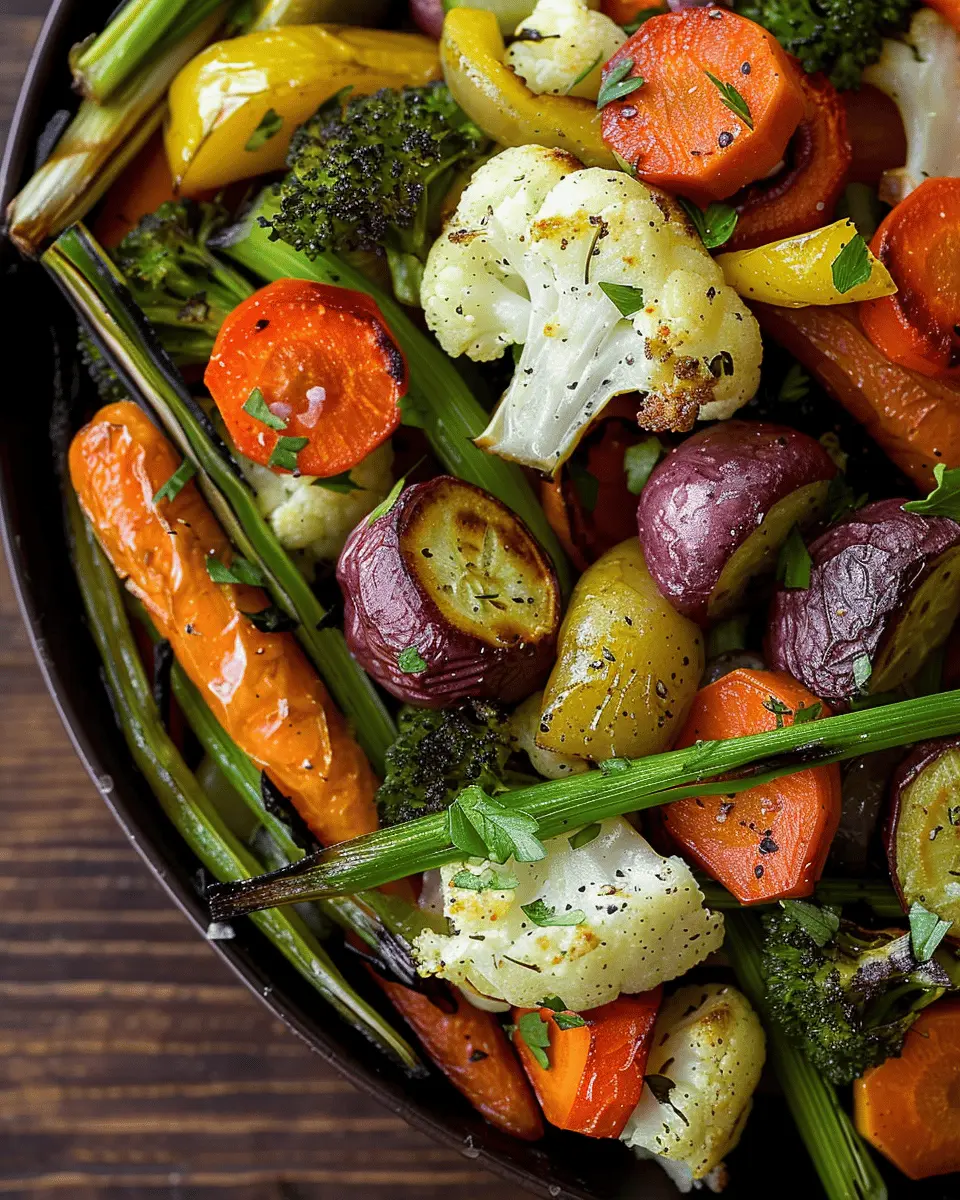
- Spring Vegetables: Think vibrant asparagus, tender baby carrots, and sweet snap peas. Incorporating a mix of colorful veggies not only enhances presentation but also adds variety to texture and taste.
- High-quality Olive Oil: Drizzle on some extra virgin olive oil; it elevates the dish and helps in achieving that perfect golden brown.
- Seasonings: Don’t skimp on salt and pepper! Fresh herbs like rosemary or thyme can take your roasted vegetables to the next level. Feel free to experiment!
- Turkey Bacon or Chicken Ham: Adding a touch of savory protein can enhance the dish, making it hearty yet healthy.
Remember, the key to memorable roasted spring vegetables is quality ingredients. For more culinary inspiration, checking out resources like Bon Appétit can spark your creativity!
Step-by-step Preparation of Roasted Spring Vegetables
Roasting spring vegetables is one of those magical kitchen processes that transforms simple ingredients into a warm, flavorful delight. Picture it: the sweet aroma of tender veggies filling your home, creating the perfect backdrop for gatherings or quiet nights with a good book and a cozy blanket. Are you ready to dive in? Let’s go through this step-by-step preparation together!
Gather and Prep Your Ingredients
Before we can turn those fresh spring vegetables into a roasted masterpiece, we need to gather our trusty ingredients. Here’s what you’ll need:
- Vegetables: Look for seasonal delights like asparagus, carrots, radishes, and new potatoes. If you can, try sourcing them from local farmers’ markets for maximum freshness.
- Olive Oil: Opt for extra virgin olive oil to enhance flavor.
- Seasoning: Simple seasonings such as salt, pepper, and fresh herbs like rosemary or thyme will elevate the taste. Feel free to experiment with spices like garlic powder or chili flakes for an added kick!
- Turkey Bacon (optional): Adding turkey bacon can increase the heartiness of the dish.
Once you have everything, wash and peel your vegetables where necessary. Cut them into uniform pieces to ensure even cooking—think small bite-sized chunks for the potatoes and longer spears for the asparagus.
Roast the Potatoes and Carrots First
The second step is crucial: getting your root vegetables cooked just right. Start by preheating your oven to 425°F (220°C).
- In a mixing bowl, toss your chopped potatoes and carrots with a drizzle of olive oil, along with salt and pepper.
- Spread them on a baking sheet lined with parchment paper, making sure they’re in a single layer—this helps achieve that lovely caramelized exterior.
- Pop them in the oven for about 20 minutes, allowing them to roast until they’re golden and tender at the edges.
Why roast root vegetables first? Their denser texture needs a bit longer in the oven compared to more delicate spring vegetables, ensuring everything finishes cooking simultaneously.
Prepare the Spring Vegetables
While the potatoes and carrots are roasting, let’s turn our attention to those lovely spring vegetables. Chop your asparagus into 2-inch pieces and halve the radishes. Tip: Don’t overthink this part! The asymmetric cuts add charm to your dish.
As you prep, consider this: Did you know that asparagus is not only delicious but also packed with vitamins A, C, and E? Incorporating a variety of colors and shapes will result in a vibrant final dish.
Combine and Season
Once your carrots and potatoes have had their initial roasting time, it’s time to introduce the spring vegetables into the mix.
- Carefully remove the baking sheet from the oven and add the prepared asparagus and radishes.
- Toss everything together on the sheet, making sure to evenly distribute the veggies.
- Drizzle a bit more olive oil and sprinkle additional salt, pepper, and herbs to taste.
By layering flavors this way, you not only maximize deliciousness but also create a stunning presentation for your roasted spring vegetables.
Final Roasting
Now, let’s give everything a final roast! Return the baking sheet to the oven and roast for another 15–20 minutes. This additional cooking time allows the spring vegetables to soften and brown, melding all those incredible flavors.
A small tip: Check for doneness around the 15-minute mark. You want everything nice and tender while still preserving a bit of crunch.
Once everything is perfectly roasted and bursting with flavor, remove the sheet from the oven. Serve warm as a standout side dish for grilled chicken ham or enjoy it as a main course with your favorite grain. Don’t forget to plate it up nicely—you want to relish not just the taste but also the vibrant colors of your beautiful roasted spring vegetables.
Enjoy preparing this delightful dish, and remember, cooking is as much about joy as it is about sustenance. Happy roasting!
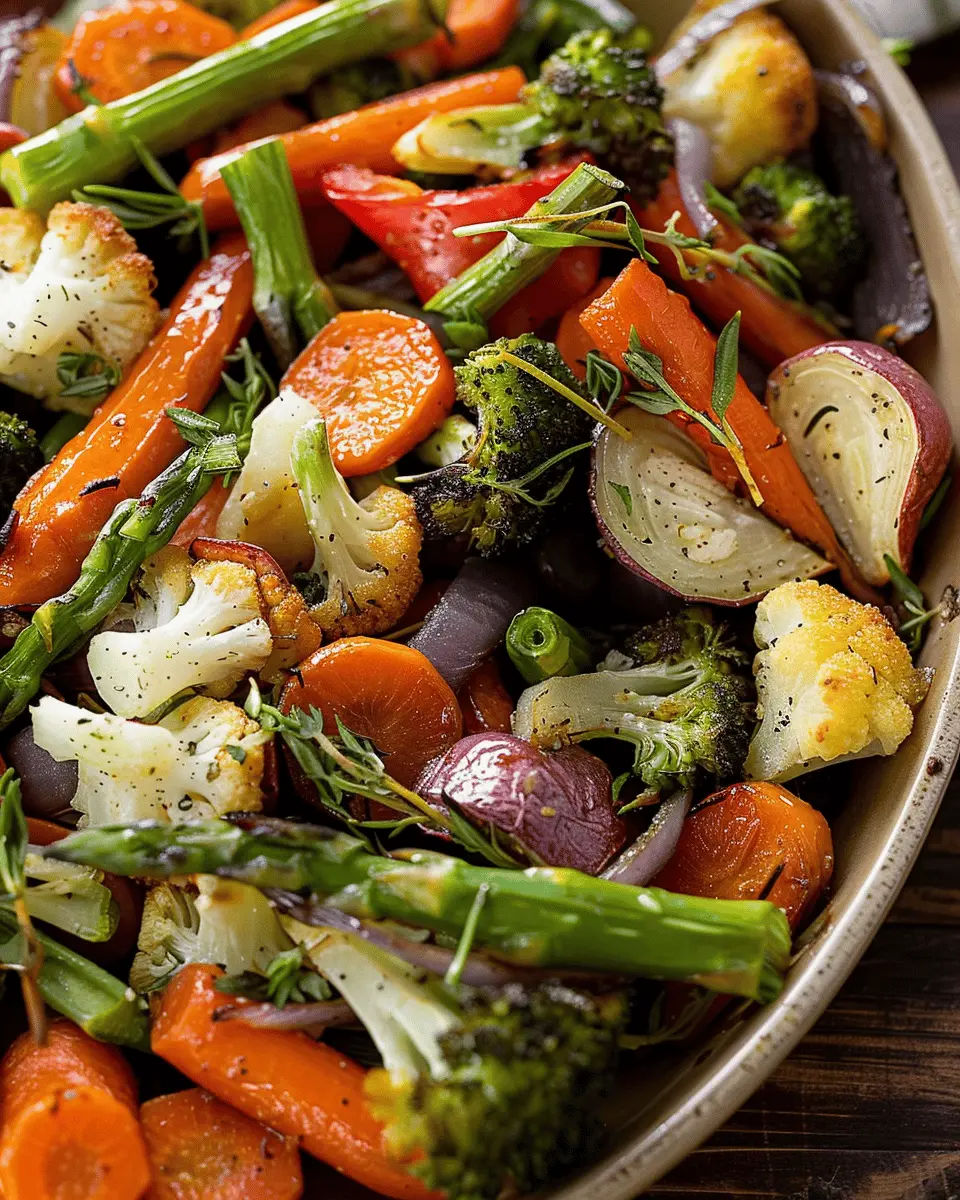
Variations on Roasted Spring Vegetables
Roasted spring vegetables offer a delightful way to celebrate the season’s produce. But did you know you can easily mix things up to keep your meals exciting? Here’s how!
Adding Different Vegetables
While classic choices like asparagus and carrots steal the show, don’t hesitate to venture beyond the basics. Try incorporating:
- Radishes: They caramelize beautifully, adding a peppery sweetness.
- Fennel: Its unique anise flavor can transform the dish.
- Beets: Not only do they add vibrant color, but their earthy flavor brings depth.
Spring also invites an array of leafy greens. Toss in a handful of kale or baby spinach in the last few minutes of roasting for added nutrition and a pop of color.
Experimenting with Spices and Herbs
The beauty of roasted spring vegetables lies in their adaptability. Spice blends and fresh herbs can elevate your dish from ordinary to extraordinary. Consider, for example:
- Herbes de Provence: This classic French blend adds a fragrant touch.
- Cumin and Coriander: These earthy, warm spices can give a Mediterranean flair.
- Lemon Zest or Juice: A splash at the end can brighten the dish significantly.
Feeling adventurous? Check out some creative spice combinations that offer a mix of flavors you might not have thought of. The key is to taste as you go and adjust according to your preferences.
By experimenting with different vegetables and spices, you can customize your roasted spring vegetables to reflect your personal taste and seasonal availability. Each variation can guide you to discover new favorite combinations while keeping your meals both nutritious and flavorful!
Cooking Tips and Notes for Roasted Spring Vegetables
Achieving the perfect roast
For truly delicious roasted spring vegetables, aim for even sizing. Cutting vegetables like asparagus, carrots, and radishes into similar pieces helps them cook at the same rate. Don’t overcrowd the baking sheet; instead, give them space to breathe for that golden-brown finish. A quick shuffle halfway through roasting ensures they caramelize evenly.
You might consider using a mix of herbs and spices for added flavor—try thyme, rosemary, or even a dash of paprika for a delightful kick. And don’t forget to preheat your oven to at least 425°F (220°C), which is essential for achieving that crispy texture!
Storage and reheating tips
Leftover roasted spring vegetables can be a lifesaver! Store them in an airtight container in the fridge for about 3-5 days. When you’re ready to enjoy, reheat them in the oven for a few minutes to regain their crispiness. Alternatively, a quick sauté in a pan with a splash of broth can bring them back to life and add moisture.
For more tips on healthy cooking practices, you might want to check out resources from Healthline or BBC Good Food. Happy roasting!
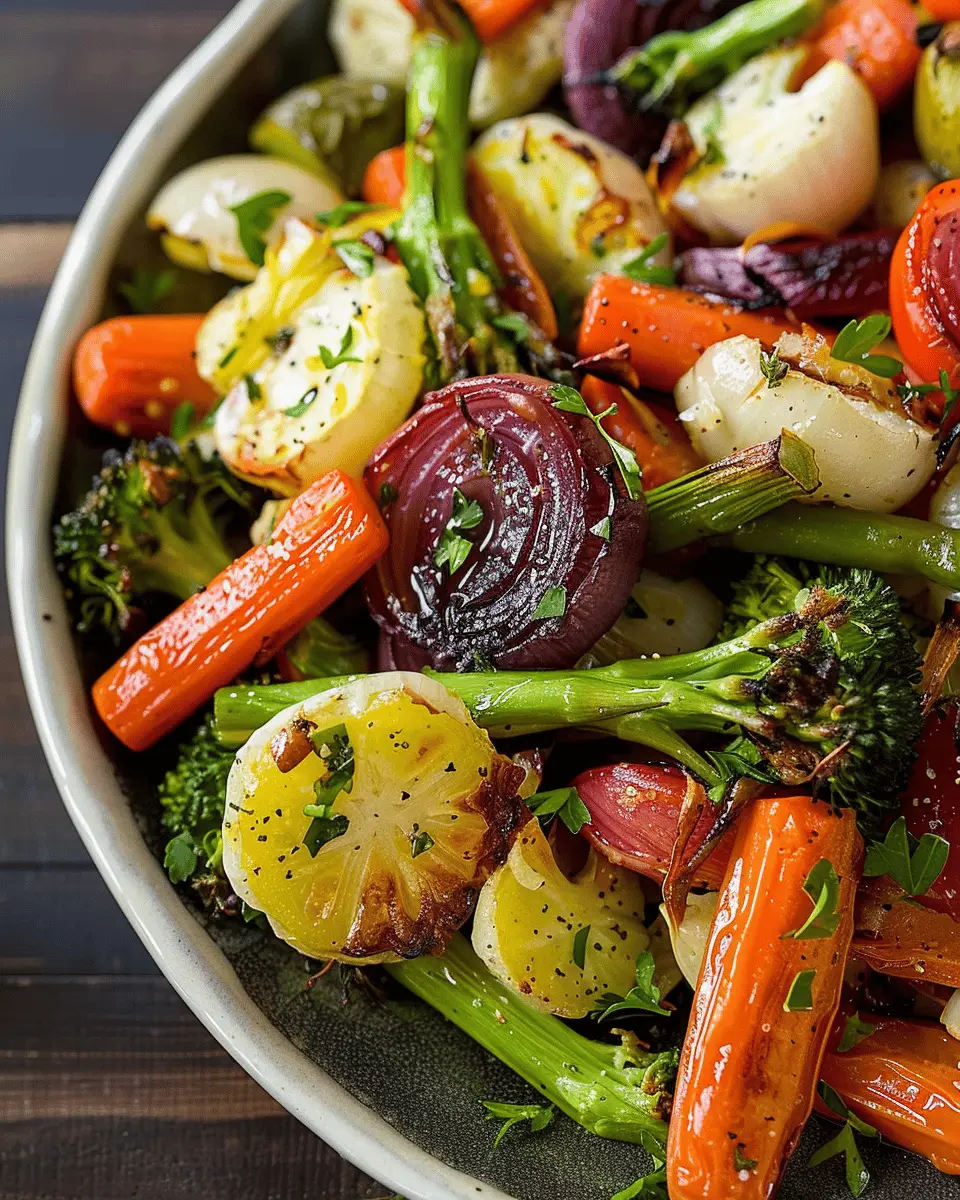
Serving Suggestions for Roasted Spring Vegetables
Ideal Pairings with Proteins
When thinking about how to complement your roasted spring vegetables, consider pairing them with proteins that enhance their natural flavors. Here are some tasty suggestions:
- Grilled Chicken: Versatile and juicy, chicken brings a lean protein option that balances the vibrant veggie mix.
- Turkey Bacon: A delicious alternative to traditional bacon, turkey bacon adds a savory crunch that contrasts beautifully with the softness of roasted veggies.
- Beef: Whether it’s a tender steak or a hearty beef stir-fry, incorporating beef can create a satisfying meal.
Want to elevate the experience? Serve these combinations with a refreshing citrus or yogurt-based dressing for an added zing.
Creative Ways to Enjoy Your Vegetables
Not sure how to enjoy your roasted spring vegetables? Get creative! Try:
- Grain Bowls: Toss your roasted veggies with quinoa or farro, and top with a dollop of hummus for a filling lunch.
- Wraps: Add to whole grain wraps with greens and a spread like tzatziki for a delectable, on-the-go meal.
- Frittata: Stir them into eggs for a vibrant frittata, perfect for brunch or a light dinner.
These ideas not only keep your meals exciting but also allow you to savor the essence of spring with every bite. Looking for more inspiration? Check out The Kitchn for additional serving tips and ideas!
Time Breakdown for Roasted Spring Vegetables
Preparation Time
Preparing your roasted spring vegetables is as easy as pie! You’ll need around 15 minutes to wash, chop, and season your fresh veggies. Make sure to select vibrant seasonal options — think tender asparagus, sweet carrots, and colorful bell peppers.
Cooking Time
Once everything is prepped, the actual cooking takes about 25 to 30 minutes. Just toss your veggies in the oven until they achieve that perfect golden brown finish. The roasting process enhances their natural sweetness, making every bite delicious.
Total Time
In total, you’re looking at approximately 40 to 45 minutes from start to finish. This generous time frame allows you to set aside extra minutes for any last-minute touches or simply enjoying a cup of tea while you wait. Isn’t that a treat?
For more on seasonal ingredients, check out Seasonal Eating for expert tips!
Nutritional Facts for Roasted Spring Vegetables
When diving into the delightful world of roasted spring vegetables, it’s a treat for both the palate and the body. Here’s a quick look at the nutritional benefits:
Calories
A typical serving of roasted spring vegetables contains around 150 calories. This makes it a light yet satisfying side dish that complements numerous main courses without overloading your caloric intake.
Protein
You’ll find about 4 grams of protein in your serving of roasted spring vegetables. While they aren’t a primary protein source, they beautifully complement proteins from your main dish, like grilled chicken or turkey bacon, ensuring a balanced meal.
Fiber
Fiber enthusiasts will appreciate that these vibrant veggies pack roughly 5 grams of dietary fiber. Fiber is essential for digestive health and can help keep you feeling full longer. Want to know more about the benefits of fiber? Check out this insightful article on Harvard Health.
These roasted spring vegetables not only brighten up your plate but also bring significant nutritional value to your dining experience. So, savor every bite and enjoy a guilt-free indulgence!
FAQs about Roasted Spring Vegetables
Can I use frozen vegetables instead?
Absolutely, you can use frozen vegetables for your roasted spring veggie dish! While fresh vegetables often have a slightly better texture and flavor, frozen options are super convenient and still pack a nutritional punch. They have a longer shelf life and are picked at peak ripeness, ensuring you get great flavor. Just make sure to thaw and pat them dry before roasting to avoid excess moisture that can lead to steaming instead of roasting. For ideas on which frozen varieties work best, you might check out this guide from the USDA.
What can I serve with roasted spring vegetables?
Roasted spring vegetables are incredibly versatile! They make a delightful side dish but can also shine as a main attraction. Consider pairing them with:
- Grilled chicken or chicken ham for a protein boost
- Turkey bacon wrapped around asparagus for a tasty twist
- A hearty grain like quinoa or farro to create a fulfilling vegetarian meal
- A light vinaigrette or garlic dipping sauce to elevate the flavors
If you’re looking for something a bit more exciting, try topping your veggies with feta cheese or goat cheese for a creamy contrast.
How long do leftovers last?
If you have any roasted spring vegetables left after your meal, no worries! They can last in your fridge for about 3 to 5 days when stored in an airtight container. Just reheat them in the oven or microwave before serving again. You can also toss them into salads, omelets, or grain bowls for quick and delicious meals later in the week.
Don’t you love how a single recipe can keep giving? Enjoy your culinary adventure with these wonderful veggies!
Conclusion on Roasted Spring Vegetables
Embracing homemade and healthy eating
Roasted spring vegetables are not just a delicious dish; they represent a shift towards homemade and healthy eating. By preparing these vibrant veggies at home, you embrace the art of cooking while nourishing your body with fresh ingredients. The delightful flavors of asparagus, carrots, and radishes meld together beautifully in the oven, providing a simple yet exquisite meal.
As you embark on your cooking journey, remember that the joy of food comes from creating it yourself. Don’t hesitate to experiment with various herbs and spices to customize your roasted spring vegetable medley. For more ideas on wholesome recipes, check out resources like Food Network or BBC Good Food. Happy cooking!
PrintRoasted Spring Vegetables: The Best Recipe for Fresh Flavors

A vibrant and flavorful dish featuring colorful roasted spring vegetables.
- Prep Time: 15 minutes
- Cook Time: 25 minutes
- Total Time: 40 minutes
- Yield: 4 servings 1x
- Category: Vegetables
- Method: Roasting
- Cuisine: Mediterranean
- Diet: Vegetarian
Ingredients
- 2 cups asparagus, trimmed
- 1 cup cherry tomatoes
- 1 cup bell peppers, sliced
- 1 cup carrots, sliced
- 3 tablespoons olive oil
- 1 teaspoon salt
- 1/2 teaspoon black pepper
- 2 tablespoons balsamic vinegar
Instructions
- Preheat the oven to 425°F (220°C).
- In a large bowl, combine all the vegetables.
- Drizzle with olive oil, and season with salt and pepper.
- Toss to coat the vegetables evenly.
- Spread the veggies out on a baking sheet.
- Roast in the oven for about 20-25 minutes, or until tender.
- Drizzle with balsamic vinegar before serving.
Notes
- Feel free to substitute any of your favorite vegetables.
- For added flavor, sprinkle with fresh herbs before serving.
Nutrition
- Serving Size: 1 cup
- Calories: 150
- Sugar: 3g
- Sodium: 200mg
- Fat: 10g
- Saturated Fat: 1g
- Unsaturated Fat: 8g
- Trans Fat: 0g
- Carbohydrates: 15g
- Fiber: 4g
- Protein: 3g
- Cholesterol: 0mg
Keywords: Roasted Spring Vegetables, Fresh Flavors, Healthy Recipe