Introduction to Rice Pilaf
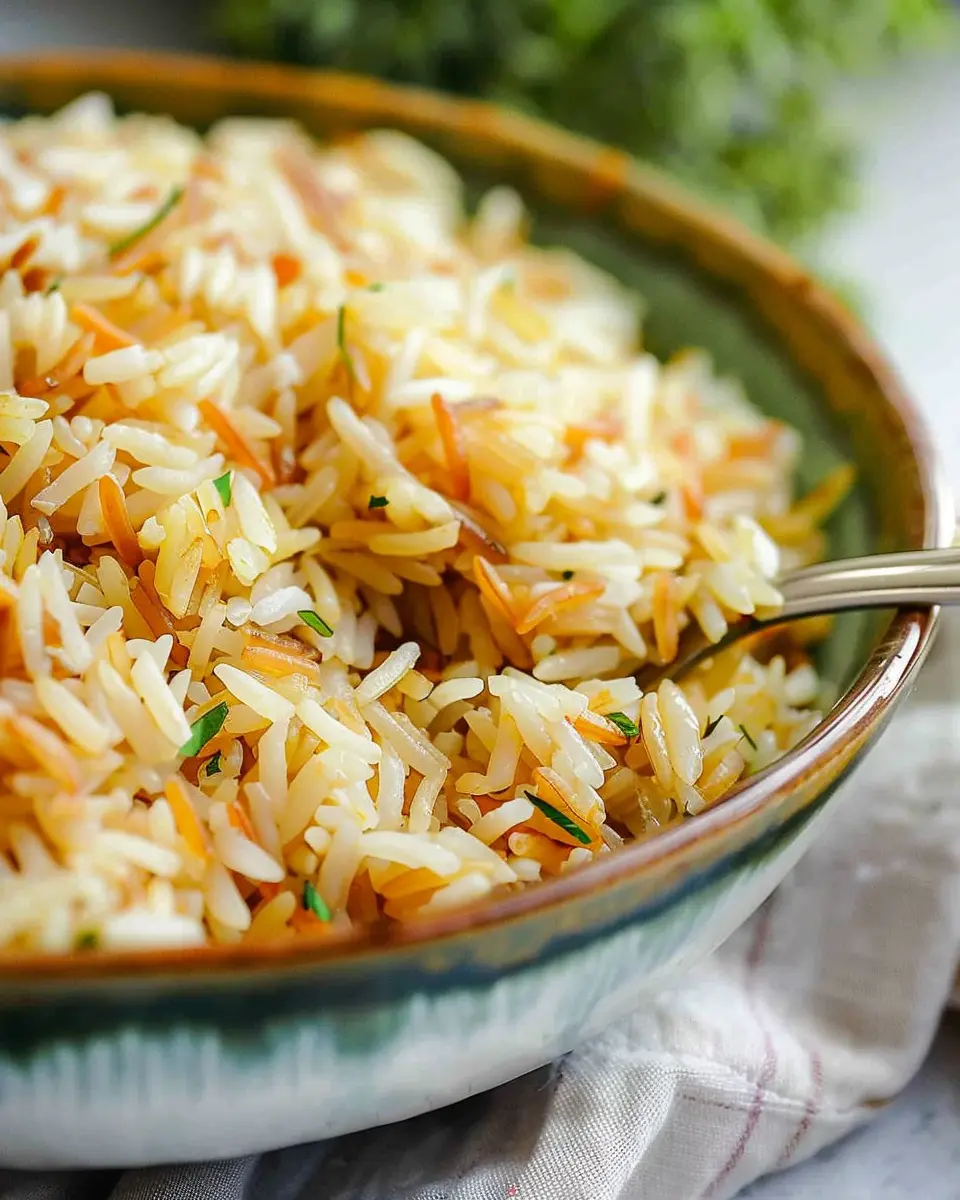
When it comes to creating a delicious homemade meal, rice pilaf often stands out as a versatile and flavorful option. But what exactly is rice pilaf? Simply put, it’s a dish made from rice that has been sautéed in oil or butter before adding broth or water, allowing the grains to absorb the flavors as they cook. This simple yet effective technique results in a dish that boasts rich flavor and fluffy texture, making it a perfect side or a base for main dishes.
Why Rice Pilaf is Ideal for Homemade Meals
One of the reasons rice pilaf works so wonderfully in-home cooking is its adaptability. Whether you’re whipping it up for a quick weeknight dinner or serving it at a festive gathering, you can easily customize it to suit your palate. Here are a few ways you can elevate your pilaf:
-
Incorporate Protein: Adding ingredients like turkey bacon or chicken ham can infuse your rice with even more flavor. Plus, it makes the dish more filling. For a vegetarian option, you could include nuts or legumes.
-
Season it Well: Don’t shy away from herbs and spices! Things like garlic, onion, and a sprinkle of cumin or thyme can turn an ordinary rice pilaf into a showstopper.
-
Vegetable Boost: Tossing in some seasonal veggies can enhance both the nutritional benefits and the vibrant colors of your dish. Think peppers, peas, or even roasted butternut squash.
According to a study by The National Rice Month, rice is not only an affordable staple, but it also provides a solid foundation for balanced meals. This makes rice pilaf a wise choice, especially for young professionals looking to maximize flavor without breaking the bank.
Not only does making rice pilaf allow for creativity, but it also promotes mindful cooking and eating. As you sauté the rice and infuse it with flavors, the smell fills your kitchen, creating an inviting atmosphere. Plus, prepping pilaf doesn’t take much time—usually 30 minutes or less!
In essence, rice pilaf serves as a testament to how a few simple ingredients, when treated with care, can become the star of your dining experience. So, why not give it a try? Your taste buds will thank you!
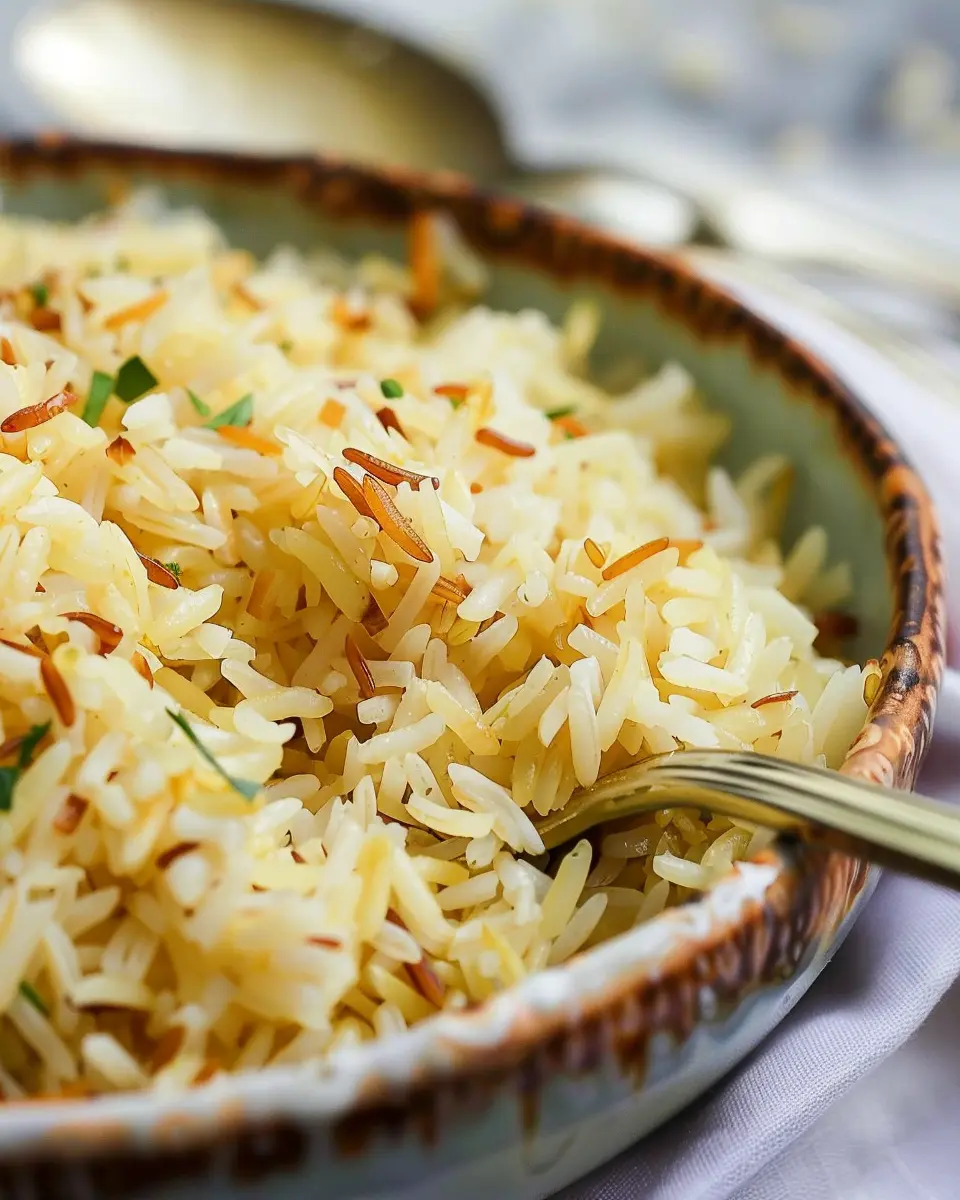
Ingredients for Rice Pilaf
Key Ingredients You’ll Need for a Delicious Rice Pilaf
Creating the perfect rice pilaf is all about balancing flavors and textures. To start, you’ll need a few essential ingredients that come together to form this delightful dish.
- Long-grain rice: Opt for varieties like basmati or jasmine for a fluffy texture. They absorb flavors well and cook beautifully.
- Broth or stock: Chicken or vegetable broth elevates the taste. You can even homemade vegetable broth to keep it light and fresh.
- Aromatics: Onion and garlic are must-haves; they infuse the rice with rich flavor as they sauté.
- Turkey bacon or chicken ham: For that savory depth, these alternatives offer a delightful twist without overpowering the dish.
- Vegetables: Carrots, peas, or bell peppers not only add color but also nutritional value.
- Spices: A touch of cumin or cardamom can elevate the flavor profile.
For an in-depth look at the benefits of using stock in your cooking, check out this guide from The Kitchn. Introduce your own creative touches to make your rice pilaf uniquely yours!
Preparing Rice Pilaf
Rice pilaf is a versatile and delightful dish that’s not only easy to prepare but also rich in flavor and history. This method of making rice pilaf will introduce you to a comforting side that can complement various meals or stand on its own as a wholesome dish. Let’s dive into the step-by-step process of preparing this delightful rice pilaf.
Gather Your Ingredients
Before we start cooking, it’s essential to gather all your ingredients. Here’s what you’ll need:
- Rice: Long-grain white rice or basmati rice works well.
- Orzo pasta: This adds a lovely texture; if you don’t have orzo, you can substitute with other small pasta.
- Onion: For that aromatic base.
- Garlic: Fresh is best, but you can use garlic powder in a pinch.
- Broth: Chicken or vegetable broth enhances the flavor.
- Turkey bacon or chicken ham: Optional, but it adds a savory depth.
- Olive oil or butter: For sautéing.
- Spices: Salt, pepper, and any herbs you love—thyme or bay leaves work great.
Once you’ve gathered these items, you’re ready to start!
Sauté Orzo and Onions
In a large pot, heat a couple of tablespoons of olive oil over medium heat. Add your diced onions and orzo, stirring frequently until the onions soften and the orzo turns a golden brown. This step is crucial as it adds a deep, nutty flavor to your rice pilaf. It should take about 3-5 minutes, and you’ll start to smell the lovely aroma wafting through your kitchen.
Incorporate Garlic for Flavor
Now, it’s time to take that aroma up a notch! Add minced garlic to the pot, mixing it in and cooking for about one minute. Garlic is known for its health benefits and its unparalleled ability to elevate dishes (it’s a culinary powerhouse, really!). Be careful not to let it burn; a gentle sauté will do the trick.
Combine Rice and Broth for Cooking
Once the garlic is fragrant, it’s time to incorporate your rice. Stir in the long-grain rice, mixing well to coat it with the oil and the flavors from the onions and garlic. After a minute, pour in your broth. If you like added protein, this is when you’d toss in diced turkey bacon or chicken ham. Bring everything to a lively boil for just a moment before reducing the heat to low and covering the pot.
Let It Simmer and Absorb Those Flavors
Let your mixture simmer away for about 18-20 minutes. This is the time when your rice pilaf begins to transform—absorbing all those wonderful flavors. Keep that lid on tight; letting steam escape can affect the cooking process. After the time is up, remove the pot from heat and let it rest for about 5 minutes. This step helps the rice fluff up while it cools slightly.
Fluff, Taste, and Adjust Seasoning
Finally, it’s time for the best part—fluffing! Use a fork to gently break up the rice and mix everything together. At this stage, it’s important to taste your creation. Does it need a touch more salt or perhaps a sprinkle of herbs? Adjust the seasoning as needed, and Voila! Your rice pilaf is ready to be served.
Rice pilaf is more than just a recipe; it’s a canvas for your culinary creativity. You can add roasted vegetables, fresh herbs, or even nuts to personalize it. For more variations, check out resources like Bon Appétit or Serious Eats for inspiration.
So there you have it—your step-by-step guide to crafting the perfect rice pilaf. Easy, flavorful, and infinitely customizable—what’s not to love? Happy cooking!
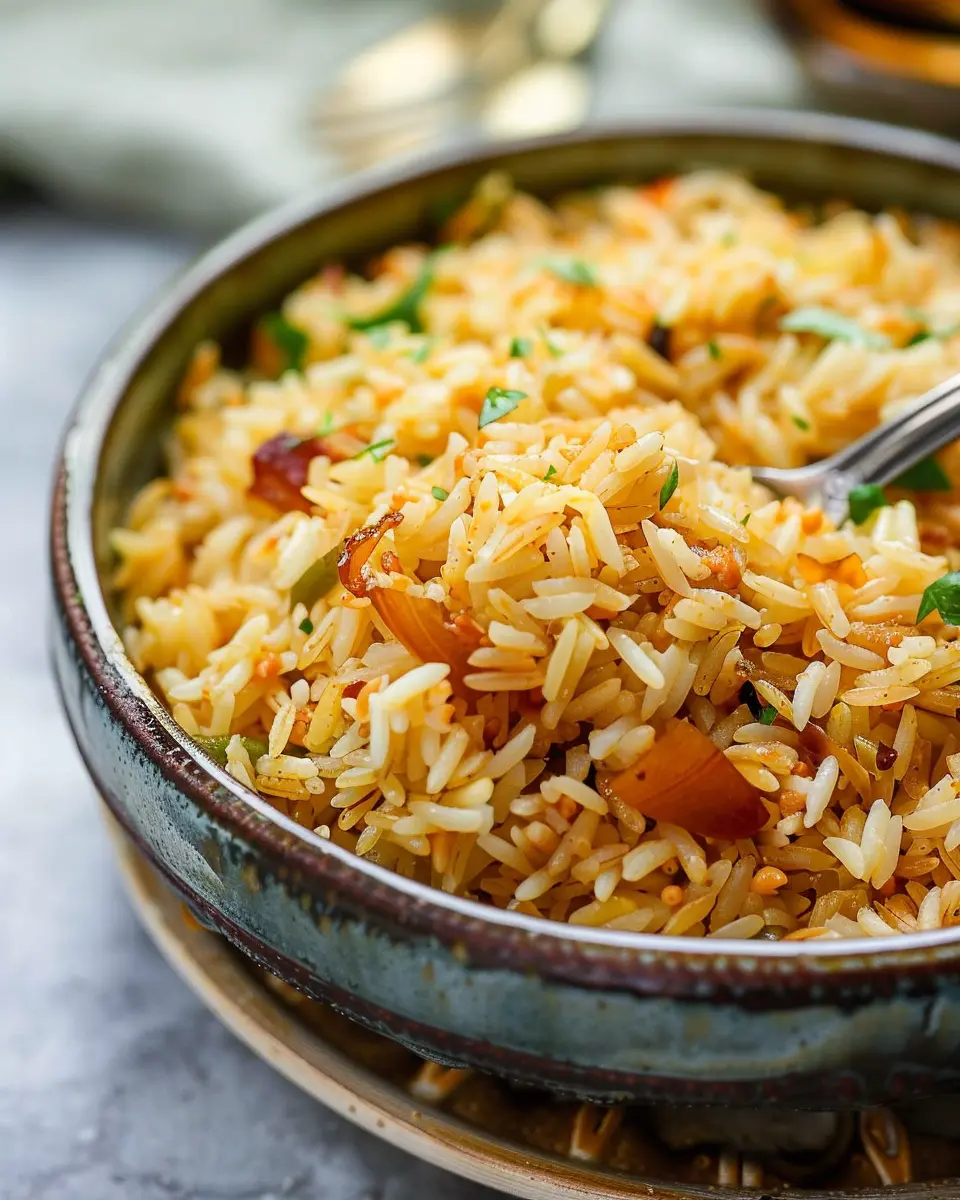
Variations on Rice Pilaf
When it comes to rice pilaf, the variations are truly endless! This simple yet versatile dish can be transformed into something unique based on your taste preferences or the ingredients you have on hand. Let’s explore a couple of delightful variations that might ignite your kitchen creativity.
Mediterranean Rice Pilaf with Vegetables
Imagine a plate bursting with color and fresh flavors—that’s exactly what you get with a Mediterranean-inspired rice pilaf. Start with your basic pilaf base, then add a medley of seasonal veggies like bell peppers, zucchini, and cherry tomatoes. A sprinkle of herbs like oregano and basil, combined with a splash of vegetable broth, takes this dish to the next level. For added zing, toss in some olives or feta cheese. This variation not only looks amazing but is packed with nutrition. You can check out more Mediterranean recipes on websites like EatingWell.
Spicy Rice Pilaf with Turmeric and Peppers
For those who crave a bit of heat, a spicy rice pilaf can deliver that kick! Start by sautéing onions, garlic, and diced bell peppers in olive oil until fragrant. Then, add turmeric for its vibrant color and health benefits, alongside spices like cumin or cayenne pepper for an extra layer of flavor. Cook your rice pilaf until it’s fluffy and aromatic, and serve it with grilled chicken or your favorite protein for a complete meal. Are you ready to spice things up? You can find more spicy rice recipes at Serious Eats.
Experimenting with these variations can help you create not just side dishes, but memorable meals that impress your friends and family. Happy cooking!
Cooking Tips and Notes for Rice Pilaf
Pro Tips for Perfecting Your Pilaf
Creating the perfect rice pilaf can turn dinner into a delightful experience. Here are some essential tips to help you achieve that fluffy, flavorful perfection:
-
Choose the Right Rice: Long-grain rice varieties, like basmati or jasmine, are ideal for pilaf. They offer that nice separation and prevent sticking, ensuring each grain stands out.
-
Sauté First: Don’t skip the initial sautéing of the rice and aromatics. This step enhances the nutty flavor and adds depth to your dish. Try using a mix of onion, garlic, and even a touch of grated carrot for added sweetness.
-
Liquid Matters: Replace plain water with broth (vegetable or chicken) to infuse your pilaf with rich flavor. A good rule of thumb is a 1:2 rice-to-liquid ratio.
-
Let it Rest: After cooking, let your rice pilaf sit covered for 10 minutes. This rest period helps achieve the perfect fluffiness.
For additional insights, check out this guide on the Science of Rice Cooking for expert tips. Happy cooking!
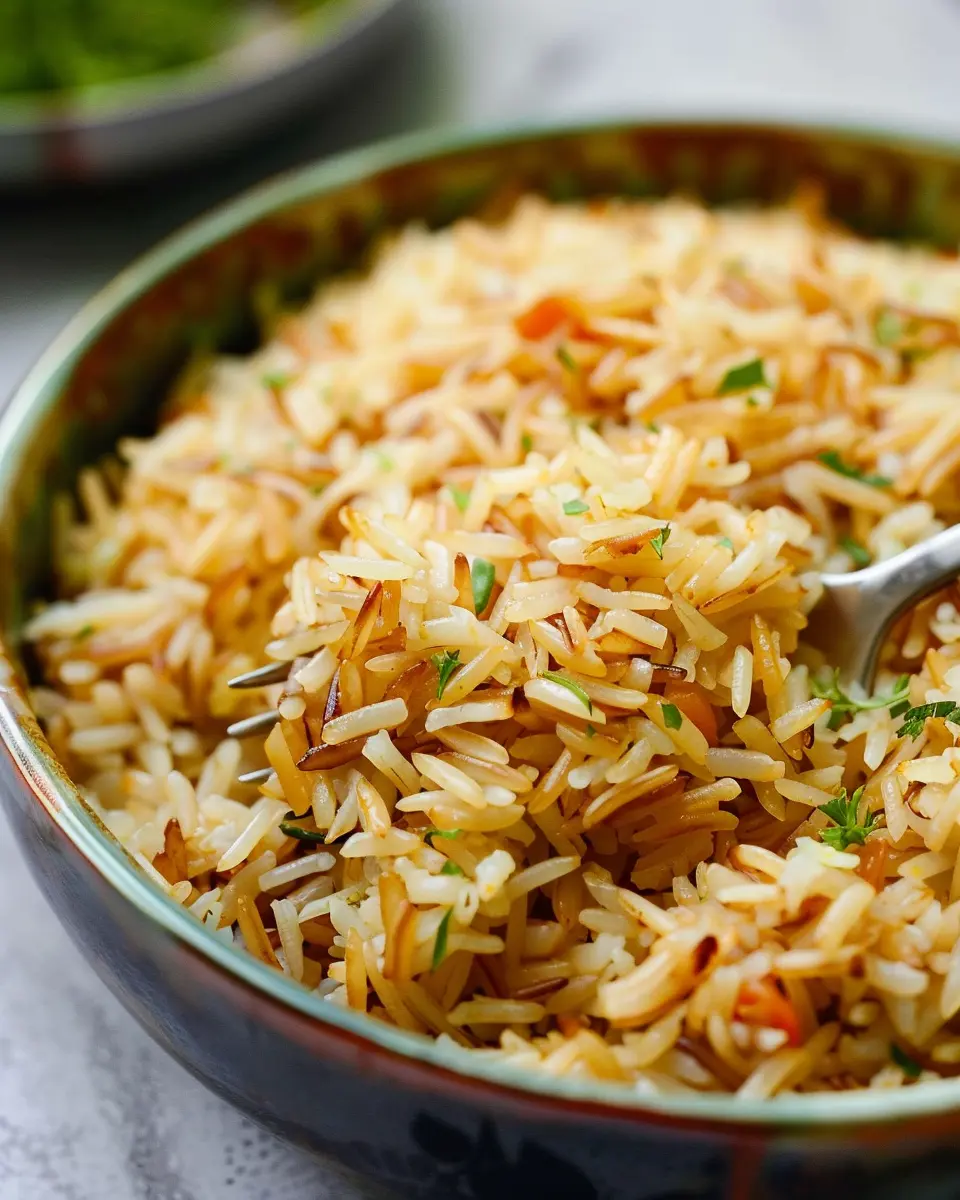
Serving Suggestions for Rice Pilaf
What pairs beautifully with rice pilaf?
When it comes to serving rice pilaf, the options are endless, and the right pairings can elevate your meal to new heights! First off, why not compliment your pilaf with a protein?
- Grilled Chicken or Turkey: Juicy grilled chicken or even Turkey bacon can add a savory touch to your plate.
- Roasted Vegetables: Seasonal veggies, lightly seasoned and roasted, provide a delightful contrast to the fluffy rice.
- Stuffed Peppers: Try serving rice pilaf alongside stuffed bell peppers for a colorful, nutrient-packed dish.
- Seafood: Think about succulent shrimp or flaky fish, which can lend a fresh, light option.
Need more inspiration? You can always get creative with flavors. Adding a side salad or a tangy yogurt sauce can enhance the experience further!
So, what do you think? How will you customize your rice pilaf meal today? For more ideas on nutritious pairings, check out EatingWell. Happy cooking!
Time Breakdown for Rice Pilaf
Preparation Time
Getting started on your rice pilaf should be a breeze! You’ll need about 10 minutes to gather your ingredients, chop any vegetables, and measure out your rice and broth. It’s the perfect time to practice your knife skills, and hey, you might even discover your new favorite chopping technique!
Cooking Time
Now, onto the fun part—cooking! The actual dish usually requires 20 minutes on the stove. During this time, you can enjoy the heavenly aromas as your rice absorbs the flavorful broth. This is a great opportunity to set the table or relax with a good book while you wait.
Total Time
All in all, you’re looking at a total of 30 minutes from start to finish. That’s super quick for a dish that’s both comforting and sophisticated. Plus, you can easily make a larger batch and enjoy it throughout the week! For more cooking tips, consider checking out resources like the Food Network for additional inspiration. With this streamlined time breakdown, you can enjoy your rice pilaf without any hassle!
Nutritional Facts for Rice Pilaf
When you’re whipping up a delightful dish like rice pilaf, it’s always great to understand what tasty benefits you’re getting. Let’s break down the key nutritional facts.
Calories
A typical serving of rice pilaf contains about 200–250 calories, making it a satisfying yet moderate dish for a meal or side.
Carbohydrates
With around 40-45 grams of carbohydrates per serving, rice pilaf serves as a fantastic energy source. These carbs are primarily derived from the rice and any added vegetables or nuts, giving you the fuel to tackle your day.
Protein
While rice pilaf isn’t a high-protein dish, it provides about 5–6 grams of protein per serving. You can easily increase this by adding ingredients like turkey bacon or chicken ham, or pairing it with grilled chicken or legumes.
For more on the nutritional impacts of rice and wholesome eating, check out the USDA’s FoodData Central for comprehensive details. Remember, a balanced plate can make every meal not just filling but wonderfully nutritious!
FAQs about Rice Pilaf
Can I use brown rice instead of white rice?
Absolutely! Using brown rice in your rice pilaf is a great way to add more fiber and nutrients to your meal. Just keep in mind that brown rice has a longer cooking time than white rice—typically around 45 minutes. You may want to adjust your broth and seasonings accordingly, as brown rice tends to absorb more liquid. For a quick guide on cooking times for different rice types, consider checking out resources from The Rice Association.
How long can I store leftover rice pilaf?
Leftover rice pilaf can typically be stored in an airtight container in the refrigerator for about 3 to 5 days. If you want to keep it longer, consider freezing it. Just make sure to cool it completely before transferring it to a freezer-safe container. It can last up to 6 months in the freezer. When you’re ready to enjoy it again, simply reheat in the microwave or on the stovetop, adding a splash of broth or water to prevent it from drying out.
What are good substitutions for chicken broth?
If you’re looking to switch things up, there are several tasty alternatives to chicken broth in your rice pilaf:
- Vegetable broth: A simple swap that provides a similar depth of flavor.
- Beef broth: For a richer taste, this can work wonders, especially if you’re adding beef to your dish.
- Mushroom broth: It adds an earthy flavor, perfect for vegetarian or vegan versions of rice pilaf.
Experimenting with these alternatives can elevate your dish and suit your dietary needs—give them a try! For more about broth options, check out Serious Eats.
Conclusion on Rice Pilaf
Why you should make rice pilaf a staple in your kitchen
Rice pilaf is more than just a side dish; it’s a culinary canvas waiting for your creative touch. With its lovely blend of flavors and textures, rice pilaf can elevate any meal, whether you’re serving roasted chicken or a hearty beef stew. It’s adaptable and easy to prepare, making it ideal for young professionals balancing busy lives.
By incorporating ingredients like chicken ham or turkey bacon, you can cater this dish to your personal taste and dietary needs. Plus, the health benefits of whole grains make it a smart choice for a nutritious meal. So why not whip up a pot of rice pilaf today? You’ll be amazed at how it transforms your dining experience. For more on expanding your culinary skills, check out this guide on grains.
PrintRice Pilaf: Easy & Flavorful Recipe with Turkey Bacon and Chicken Ham
A delicious and easy recipe for Rice Pilaf, enhanced with turkey bacon and chicken ham, perfect for any meal.
- Prep Time: 10 minutes
- Cook Time: 25 minutes
- Total Time: 35 minutes
- Yield: 4 servings 1x
- Category: Side Dish
- Method: Stovetop
- Cuisine: American
- Diet: Gluten-Free
Ingredients
- 1 cup basmati rice
- 2 cups chicken broth
- 4 slices turkey bacon, chopped
- 1 onion, finely diced
- 2 cloves garlic, minced
- 1/2 cup sweet peas, thawed
- 1 tablespoon olive oil
- Salt to taste
- Black pepper to taste
Instructions
- In a large skillet, heat olive oil over medium heat. Add the turkey bacon and cook until crispy.
- Remove the bacon and set aside, keeping the fat in the skillet.
- Add the onion and garlic, sauté until translucent.
- Add the rice and stir, toasting it for a minute.
- Pour in the chicken broth, bring to a boil, then reduce heat to low, cover, and simmer for 15 minutes.
- Remove from heat, add peas and cooked turkey bacon, fluff with a fork, and serve.
Notes
- For added flavor, consider sautéing some diced vegetables with the onions.
- This recipe can easily be doubled for larger gatherings.
Nutrition
- Serving Size: 1 cup
- Calories: 250
- Sugar: 1g
- Sodium: 400mg
- Fat: 10g
- Saturated Fat: 3g
- Unsaturated Fat: 6g
- Trans Fat: 0g
- Carbohydrates: 30g
- Fiber: 1g
- Protein: 10g
- Cholesterol: 15mg
Keywords: Rice Pilaf, Turkey Bacon, Chicken Ham, Recipe