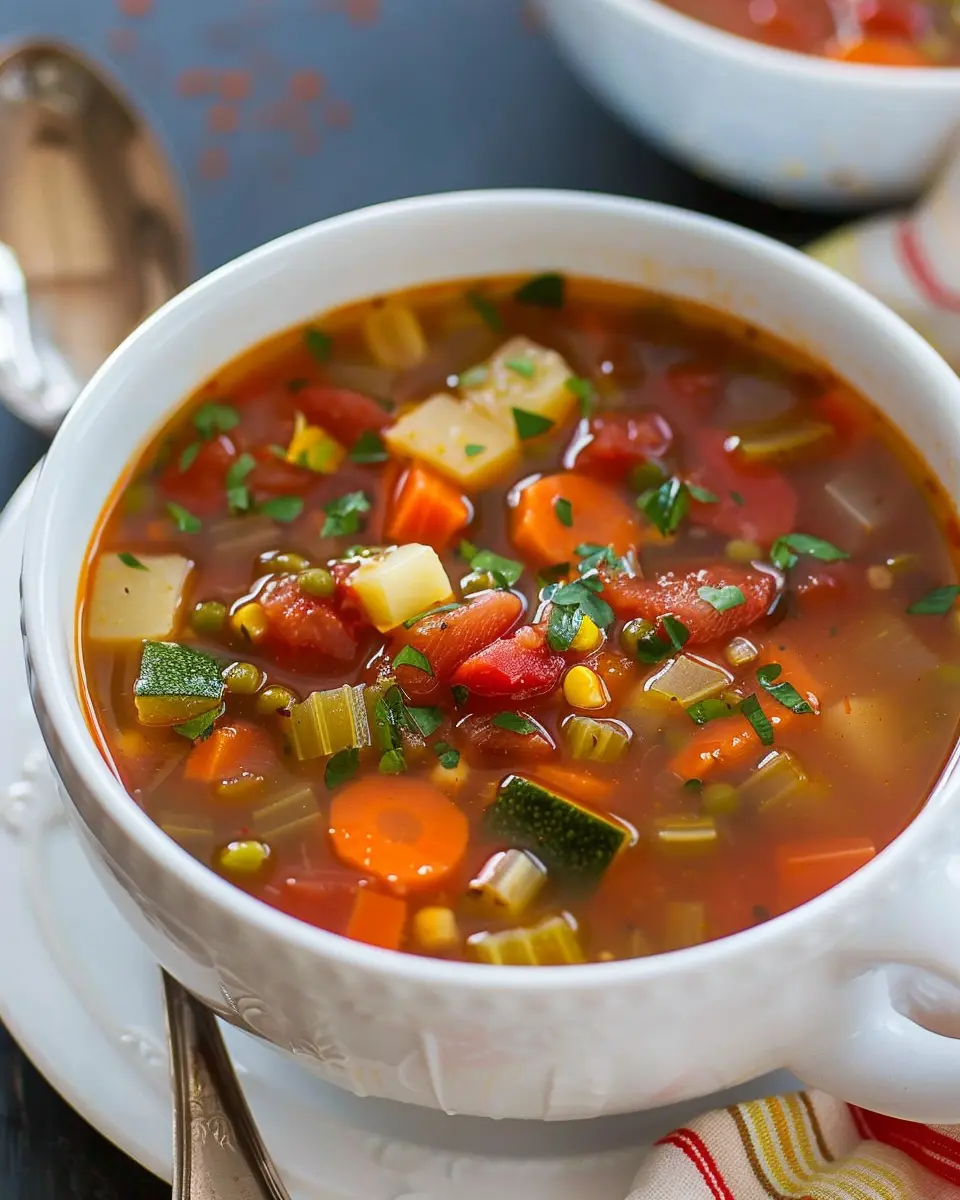
Introduction to Vegetable Soup Recipe
Why homemade vegetable soup is a game-changer for busy professionals
If you’re a busy professional juggling tight deadlines and social commitments, you know how easy it is to fall into the convenience trap of pre-packaged meals. Enter the homemade vegetable soup recipe—your ally in the quest for nutritious, hearty meals without sacrificing precious time. Cooking a big batch at the beginning of the week not only saves you from last-minute takeout but also allows you to control the ingredients. You can be confident in what you’re feeding yourself, especially when you tailor it to your dietary needs.
Need some inspiration? According to a study by the American Heart Association, meals prepared at home tend to be lower in calories, saturated fats, and sodium than dining out. So, by dedicating just a bit of time to make your own soup, you can enhance your well-being while enjoying a delightful, warming dish on a busy day.
The joy of seasonal ingredients and comfort food
When you think of a comforting bowl of vegetable soup, what comes to mind? For many, it’s the memory of sitting down to a steaming bowl on a chilly evening—your senses ignited by the aroma of fresh herbs and hearty vegetables. The great news is that by making your vegetable soup recipe with seasonal ingredients, you elevate this comfort food experience to new heights.
Using local, seasonal produce not only enhances the flavor but also promotes sustainability. Consider visiting your local farmers’ market to pick up vibrant vegetables and herbs, which often taste far superior to their out-of-season counterparts. For example, fall is the perfect time for root vegetables like carrots and parsnips, while summer brings fresh zucchinis and tomatoes.
And remember, making soup is an art rather than an exact science—feel free to experiment! This versatility allows you to mix and match based on what’s fresh, creating a dish that’s unique to you. You can even toss in ingredients like Turkey Bacon or Chicken Ham for added protein while still keeping it healthy.
So why not grab your favorite pot and start experimenting? You’ll find that making your own vegetable soup is not just nourishing for the body, but also for the soul. Check out this guide for more tips on seasonal ingredients.
Ingredients for Vegetable Soup Recipe
Essential ingredients for a hearty vegetable soup
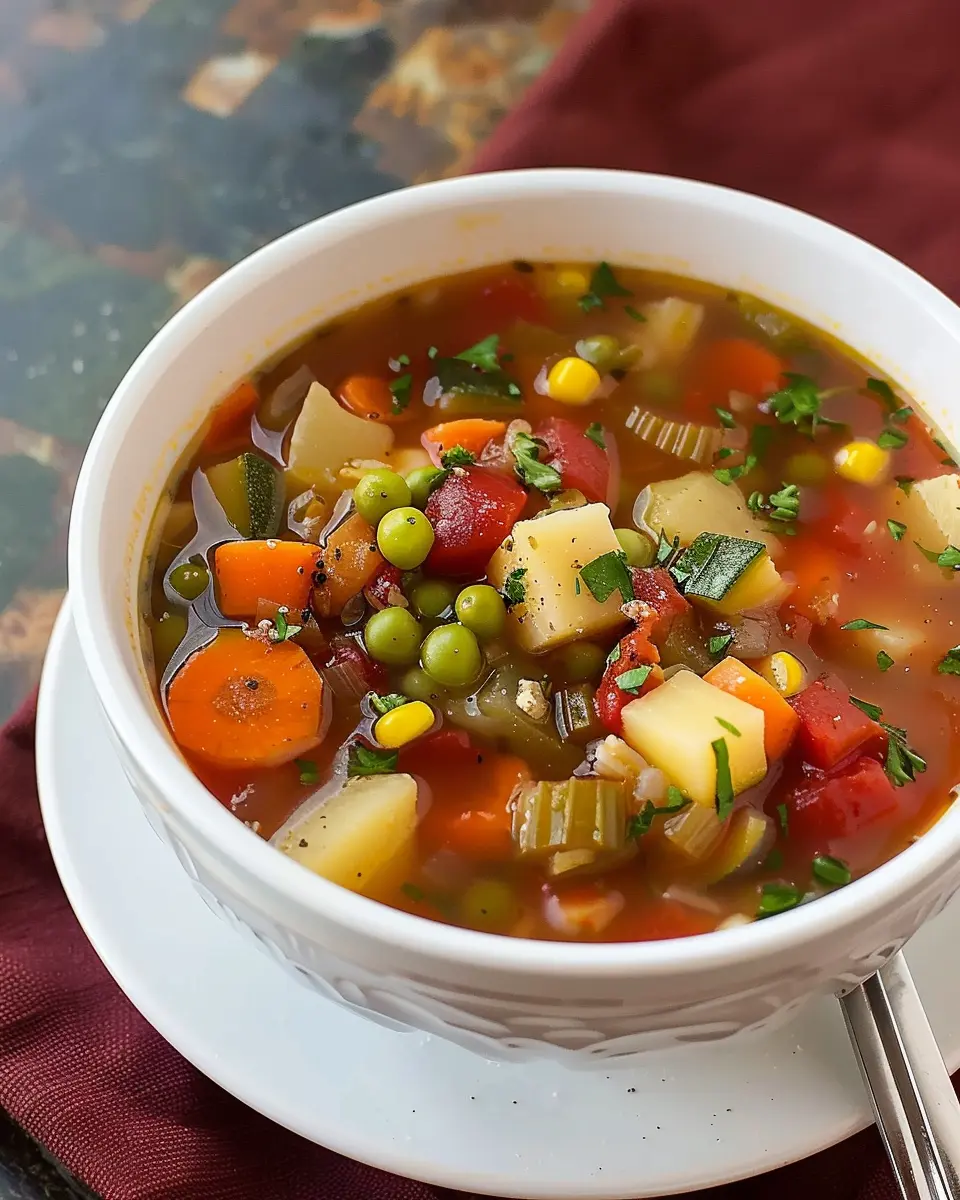
Making a simple yet delicious vegetable soup recipe doesn’t have to be complicated. Here’s a list of essential ingredients that will give your soup a rich, comforting flavor:
- Fresh Vegetables: Carrots, celery, and onions form the holy trinity of flavor. Add potatoes or zucchini for texture.
- Broth: Use vegetable broth for a vegan option; chicken broth works well if you prefer a bit of richness.
- Herbs and Spices: Rosemary, thyme, and bay leaves elevate the taste. A pinch of salt and pepper is a must!
- Protein (optional): For added sustenance, try including some Turkey Bacon or Chicken Ham.
Optional ingredients for added flavor and nutrition
Now, let’s spice things up! Consider these optional ingredients for your vegetable soup recipe:
- Legumes: Chickpeas or lentils can ramp up protein and fiber.
- Leafy Greens: Spinach or kale adds a nutritional boost—plus, they cook down beautifully.
- Seasonal Vegetables: Pumpkins or squashes make lovely autumn additions.
- Garlic and Ginger: These can bring an invigorating kick to your soup.
Feel free to get creative! The beauty of a soup lies in its adaptability. For more cooking tips, check out sources like The Kitchn or Serious Eats!
Preparing Vegetable Soup Recipe
When the weather turns chilly or when you’re simply in the mood for comfort food, nothing beats a warm bowl of homemade vegetable soup. Here’s a simple, easy-to-follow guide on how to prepare the best vegetable soup recipe that’s both nourishing and satisfying.
Gather Your Fresh Produce and Prepare Your Ingredients
The first step to a delightful soup is ensuring you have the freshest ingredients. Here’s a list to kick things off:
- Veggies: Carrots, celery, potatoes, zucchini, bell peppers, and tomatoes are top choices.
- Leafy Greens: Spinach or kale adds a nutritional punch.
- Aromatics: Onions, garlic, and herbs elevate the flavor.
- Protein (Optional): Turkey bacon or chicken ham can enhance the taste if you’d like to add some protein.
Once you’ve gathered your veggies, wash them thoroughly. Chop your vegetables into bite-sized pieces – think small enough to fit on a spoon but large enough to hold their texture. 🥕 The more colorful your selection, the more inviting your soup will be.
Sauté the Aromatics for a Flavor Base
Next up, let’s talk flavor! In a large pot, heat a couple of tablespoons of olive oil over medium heat. Add in your chopped onions and garlic, sautéing until they become fragrant and translucent – typically 3-5 minutes. This step is crucial, as it creates a rich flavor base.
If you want expert tips on sautéing aromatics, check out sources like Serious Eats or AllRecipes. They illustrate how proper sautéing can elevate your cooking, making a world of difference in your vegetable soup recipe.
Add Liquids and Main Vegetables
Once your aromatic base is ready, it’s time to introduce the stars of the show. Stir in your chopped veggies, followed by your preferred liquids.
- Broth: Vegetable broth or chicken broth works wonders.
- Water: If you’re aiming for a lighter soup, feel free to dilute the broth with water.
- Can of Diced Tomatoes: For an extra layer of flavor!
Make sure to bring this mixture to a simmer, allowing the veggies to absorb those savory flavors.
Bring Soup to a Boil, Then Simmer to Perfection
After bringing the soup to a boil, it’s time to lower the heat and let it simmer. This slow cooking process allows all of the ingredients to meld together beautifully. Let it simmer for at least 20-30 minutes.
You’ll want to check the veggies occasionally, testing for tenderness. Not only does this make them easier to eat, but it also enhances the overall experience of your soup.
Add in the Final Veggies for Crunch
Towards the end of your cooking time, add your leafy greens and any quick-cooking vegetables, like zucchini or peas. These additions ensure you maintain a delightful crunch and vibrant color in your vegetable soup recipe.
Don’t forget to adjust seasonings! A pinch of salt and pepper, or a dash of your favorite hot sauce, can elevate your creation. Stir and let the ingredients mingle for another five minutes before serving.
Enjoy Your Homemade Delight
After the kitchen fills with tantalizing aromas, serve your vegetable soup hot, topped with fresh herbs or a sprinkle of cheese if desired. Pair it with some whole-grain bread for a wholesome meal.
Cooking is an adventure, and each batch may taste slightly different based on what’s in season or what you have on hand. So, don’t hesitate to make this recipe your own! Have fun experimenting with different ingredients and flavors, and enjoy the journey that comes with each spoonful of your delicious vegetable soup.
Variations on Vegetable Soup Recipe
Adding protein to your vegetable soup
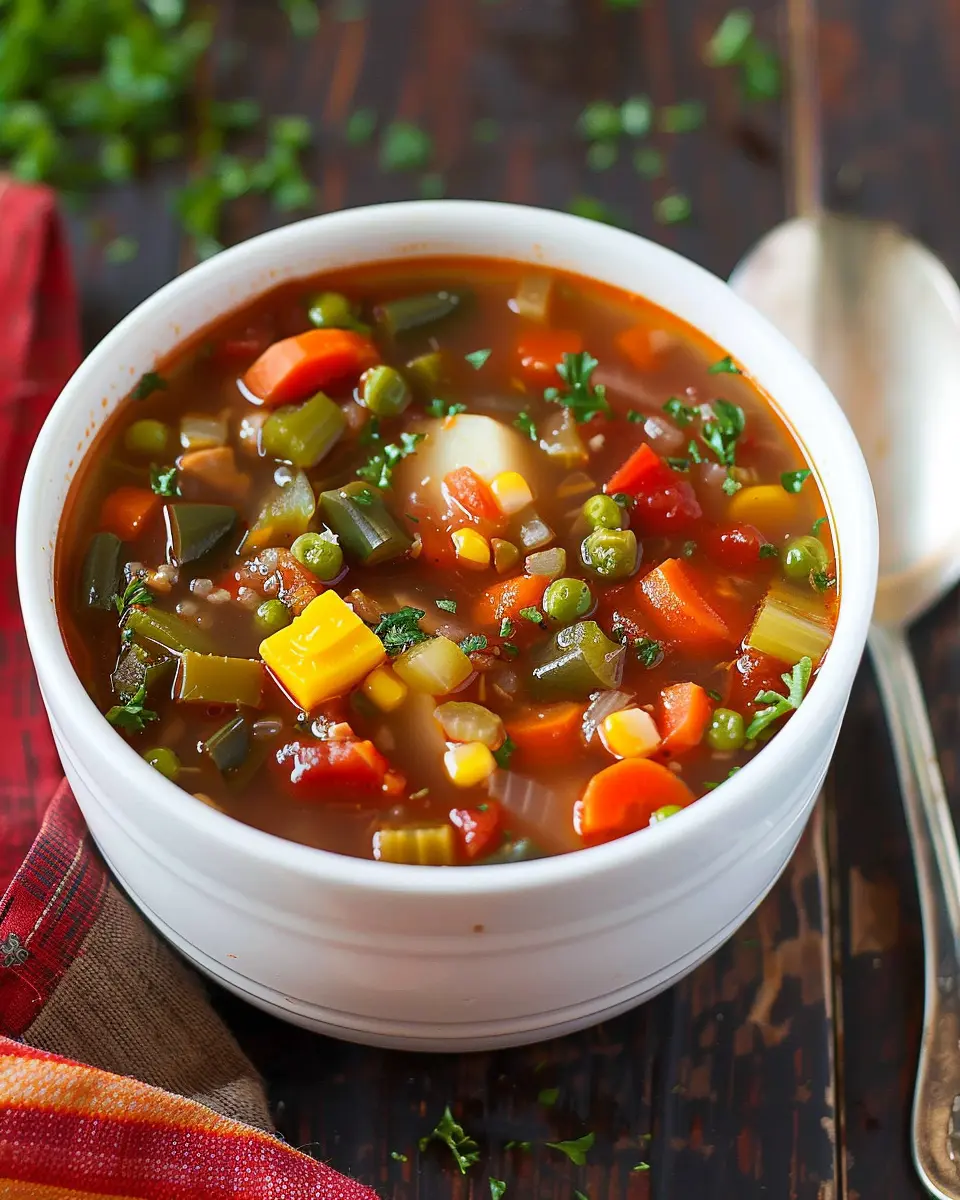
If you’re looking to elevate your vegetable soup recipe into a heartier meal, consider adding a source of protein. This not only enhances nutrition but also keeps you satisfied longer. Here are some great options:
-
Turkey Bacon: For a smoky flavor without the guilt, chop up some cooked turkey bacon and stir it into your soup. It adds a delightful crunch and richness.
-
Chicken Ham: Diced chicken ham can be a fabulous alternative. Its mild taste complements the vegetables well, providing an excellent source of protein without overpowering the dish.
-
Beans and Lentils: These are fabulous vegetarian options. Canned beans or cooked lentils easily blend into the soup and provide a fibrous, protein-packed punch.
For more insights on protein pairing, take a look at this guide from the American Heart Association.
Seasonal variations to change it up
One of the best parts about making a vegetable soup recipe is the opportunity to customize it based on the season. Here are some ideas to keep things fresh and exciting:
-
Spring: Incorporate bright, young veggies like asparagus, peas, and spinach. These will add color and a delicate flavor to your soup.
-
Summer: Use fresh tomatoes, zucchini, and bell peppers. If you want that sweet summer vibe, try adding corn to the mix.
-
Fall/Winter: Root vegetables like carrots, parsnips, and sweet potatoes can provide a cozy feel. Don’t forget to sprinkle in some warming spices like cumin or paprika for depth.
With these variations, you can enjoy a different experience every time you make your vegetable soup recipe. It’s like having an all-year-round soup party!
Cooking notes for Vegetable Soup Recipe
Flavor boosters and tips for perfecting your soup
For a delicious vegetable soup recipe that stands out, consider adding flavor boosters like herbs and spices. Fresh herbs such as thyme or basil enhance the soup’s brightness. A splash of lemon juice or a drizzle of balsamic vinegar adds a layer of acidity that elevates the overall flavor. Don’t shy away from using low-sodium broth for a healthier option, or even tossing in a bit of nutritional yeast for a savory kick. A pinch of red pepper flakes can provide a subtle warmth—perfect for those chilly evenings!
How to store and reheat your soup
Leftover vegetable soup can be a lifesaver for busy weeknights. Store it in airtight containers in the refrigerator for up to five days or freeze it for up to three months. When reheating, a gentle simmer on the stove helps maintain the texture. For a quick option, use the microwave, stirring halfway for even heating. If you find the soup too thick after freezing, simply add a splash of vegetable broth to restore its original consistency. Interested in more storage tips? Check out this helpful guide on food storage methods.
Delightfully easy and nutritious, your homemade soup will be a hit with friends and family!
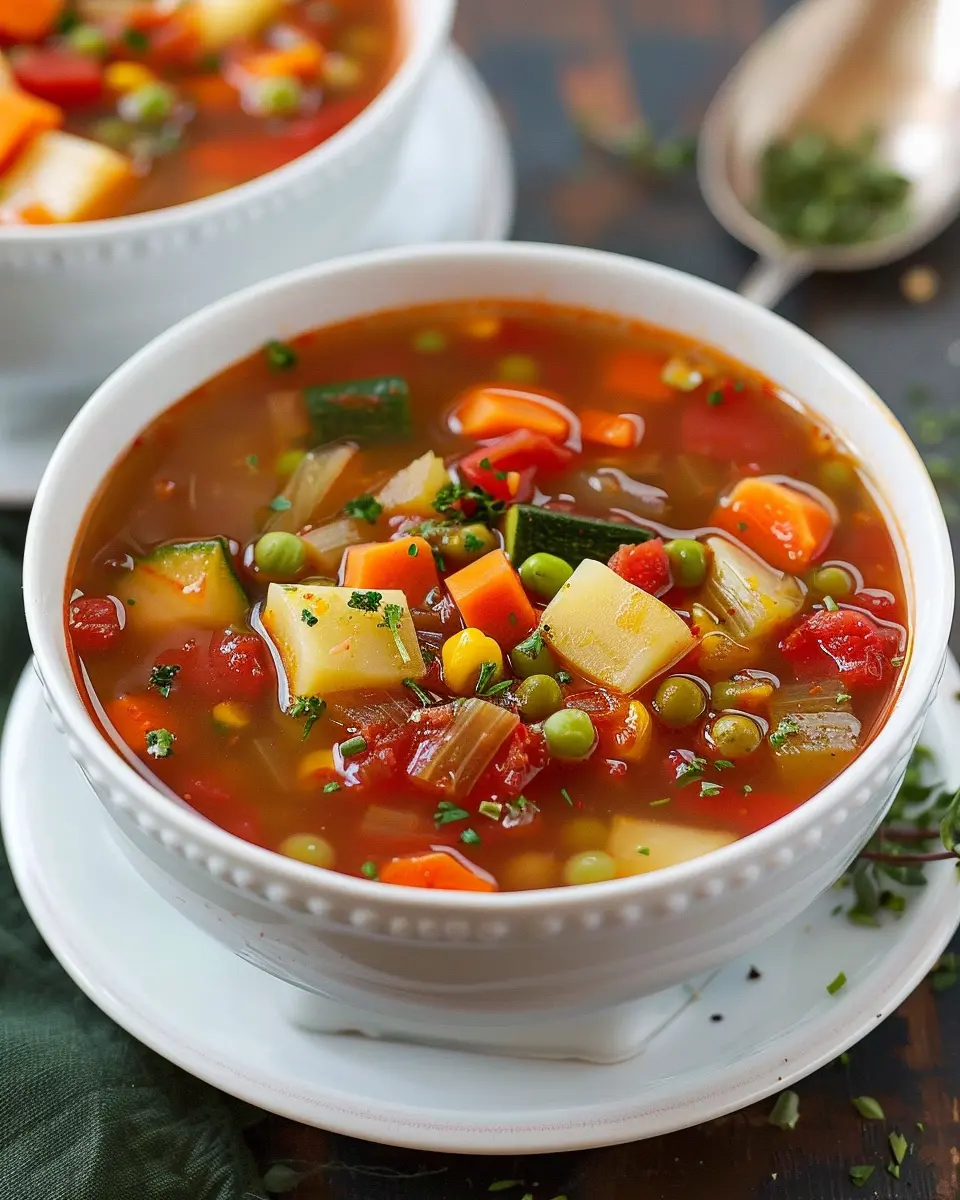
Serving suggestions for Vegetable Soup Recipe
What to pair with your vegetable soup for a complete meal
To create a truly satisfying experience with your vegetable soup recipe, consider pairing it with a variety of hearty sides. Freshly baked whole grain bread or a crispy baguette is perfect for dipping. For protein, a side of grilled chicken or a turkey bacon wrap complements the warm flavors of the soup brilliantly. Looking for a lighter touch? A simple side salad tossed with a lemon vinaigrette can add a refreshing crispness.
Did you know that serving soup with whole grains can increase your fiber intake? According to the USDA, a diet rich in fiber supports digestive health.
Creative toppings to elevate your soup experience
Elevate your vegetable soup with unexpected toppings! A dollop of homemade pesto or a sprinkle of grated cheese can add rich flavors and textures. Croutons, either store-bought or made from leftover bread, introduce a satisfying crunch. If you’re feeling adventurous, try adding a swirl of sriracha or a touch of aioli for an extra kick. Fresh herbs, like basil or parsley, can brighten up each bowl while providing a delightful aroma.
Pairing creativity with nourishing ingredients can transform your vegetable soup recipe from simple to sensational! Looking for more inspiration on toppings? Check out this guide on healthy soup garnishes.
Time Details for Vegetable Soup Recipe
Preparation Time
Getting everything ready for your vegetable soup recipe is a breeze! Expect to spend around 15-20 minutes chopping and prepping your ingredients. Go ahead and put on your favorite music—it makes the prep feel much more fun.
Cooking Time
Once everything is prepped, the actual cooking will take about 30-35 minutes. This is when the magic happens, and those fresh flavors meld together beautifully. The aroma will fill your kitchen, tempting everyone nearby!
Total Time
In total, you’re looking at roughly 45-55 minutes from start to finish. That’s a small investment for a hearty, delicious soup that’s perfect for meal prep or cozy weeknight dinners. With a total time like this, you’ll have ample time to enjoy your bowl of warmth and possibly catch up on a favorite show. Interested in more vegetable soup recipes? Check out this guide for creative variations!
Nutritional Information for Vegetable Soup Recipe
Calories
A hearty serving of this vegetable soup recipe packs in approximately 150 calories. It’s a guilt-free option for lunch or dinner, allowing you to savor the flavors without compromising your dietary goals.
Fiber Content
With an amazing fiber content of about 5 grams per serving, this soup can help meet your daily needs, supporting digestive health and helping you feel fuller for longer. Isn’t that a win-win?
Vitamins and Minerals Present
This meal is a nutritional powerhouse, rich in essential vitamins and minerals:
- Vitamin A: Great for your vision and immune system, thanks to the colorful veggies.
- Vitamin C: A fantastic boost for your immune system.
- Potassium: Important for heart health and muscle function.
Incorporating this vegetable soup recipe regularly can contribute to a balanced diet, keeping you energized and satisfied! For more in-depth nutritional information, check out resources like the USDA’s FoodData Central.
FAQs about Vegetable Soup Recipe
Is vegetable soup healthy?
Absolutely! A vegetable soup recipe is packed with nutrients. It’s a fantastic way to load up on vitamins and minerals, especially if you include a variety of colorful vegetables. According to the Centers for Disease Control and Prevention (CDC), a diet rich in fruits and vegetables can reduce your risk of chronic diseases. Plus, it’s low in calories, making it perfect for a light meal or snack.
Can I freeze vegetable soup for later?
Yes, you can definitely freeze your homemade vegetable soup! In fact, freezing soup is an excellent way to meal prep for busy days. Just ensure the soup cools completely before transferring it to airtight containers or freezer bags. It can last for up to three months in the freezer. When you’re ready to enjoy it again, simply thaw it in the fridge overnight and reheat on the stove or in the microwave. For more detailed freezing tips, check out this handy guide from the USDA.
What can I use if I don’t have all the ingredients?
No worries! A vegetable soup recipe is incredibly versatile. If you’re missing an ingredient, feel free to substitute or leave it out. Here are some ideas:
- Vegetables: Use any that are in season or on hand — think spinach, beans, or any root vegetables.
- Broth: If you’re out of vegetable broth, chicken or beef broth works just as well.
- Grains: Replace rice or pasta with quinoa or barley for an interesting texture.
Don’t hesitate to get creative! Remember, the best part about soup is that it’s forgiving and adaptable to whatever you have in your kitchen.
For more tips on ingredient substitutions, check out this article from Healthline about flexible cooking. Happy cooking!
Conclusion on Vegetable Soup Recipe
Making your own vegetable soup is not just a practical choice, but a rewarding one. By crafting this nutritious dish, you control the ingredients, ensuring they’re fresh and wholesome. Plus, it’s a fantastic way to reduce food waste by using up leftover veggies. As a bonus, homemade soups tend to be lower in sodium compared to store-bought options, making them a healthier choice.
To truly enjoy the benefits, get creative with your vegetable soup recipe! Experiment with spices or add some healthy proteins like Turkey Bacon or Chicken Ham for added flavor. Why not take advantage of this simple recipe and start your cooking journey today? Check out resources from the American Heart Association for more tips on healthy eating!
PrintVegetable Soup Recipe: Easy, Hearty Comfort for Every Home Chef

A simple and delicious vegetable soup recipe that brings warmth and comfort to your kitchen.
- Prep Time: 10 minutes
- Cook Time: 30 minutes
- Total Time: 40 minutes
- Yield: 4 servings 1x
- Category: Soup
- Method: Stovetop
- Cuisine: American
- Diet: Vegetarian
Ingredients
- 2 tablespoons olive oil
- 1 medium onion, chopped
- 2 cloves garlic, minced
- 3 cups vegetable broth
- 1 cup carrots, diced
- 1 cup celery, diced
- 1 cup potatoes, diced
- 2 cups chopped tomatoes
- 1 teaspoon dried basil
- 1 teaspoon dried thyme
- Salt and pepper to taste
- 2 cups mixed vegetables (like green beans, corn, or peas)
Instructions
- In a large pot, heat the olive oil over medium heat. Add the chopped onion and garlic, sautéing until soft.
- Pour in the vegetable broth and add the carrots, celery, and potatoes. Bring to a boil.
- Reduce the heat and simmer for 15 minutes.
- Add the chopped tomatoes, dried basil, dried thyme, salt, and pepper. Stir well.
- In the final 10 minutes, add the mixed vegetables.
- Adjust seasoning as needed and serve hot.
Notes
- This soup is versatile; feel free to add any seasonal vegetables you have on hand.
- For added protein, consider including beans or lentils.
Nutrition
- Serving Size: 1 bowl
- Calories: 150
- Sugar: 5g
- Sodium: 400mg
- Fat: 7g
- Saturated Fat: 1g
- Unsaturated Fat: 5g
- Trans Fat: 0g
- Carbohydrates: 25g
- Fiber: 6g
- Protein: 4g
- Cholesterol: 0mg
Keywords: Vegetable Soup Recipe, Easy Soup, Hearty Soup, Comfort Food